

The center table is perhaps the most crucial piece of furniture in every drawing room, acting as a visual anchor and primary conversation area. But for many of us, it’s also the most puzzling.
How to dress it or, more importantly, how not to. That is the question.
Are you puzzled by these questions? Here is your definitive, step-by-step rulebook for styling your central piece, from a flat surface to a curated masterpiece. By focusing on intentional placement and ruthless editing, you can achieve a look that feels both elegant and deeply functional.
How the Golden Rule Works: Form Meets Function
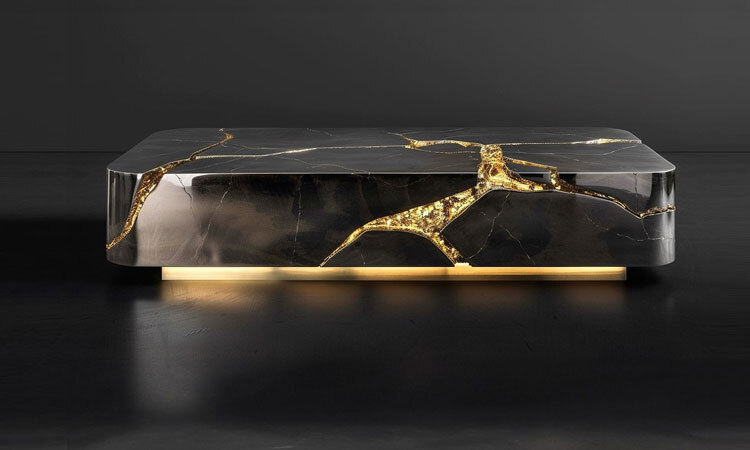
Of course, before you set anything on it, you need to determine your center table’s styling philosophy. The Golden Rule is that anything on display needs to serve a purpose, add to the beauty of the table, or, better yet, it should do both.
A clutter-free table is as important in daily living as it is when trying to impress your guests. Leave at least one-third of the surface of your table completely free.
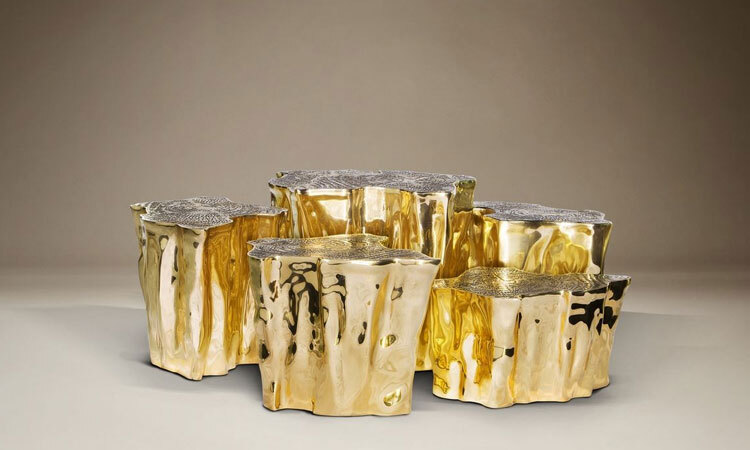
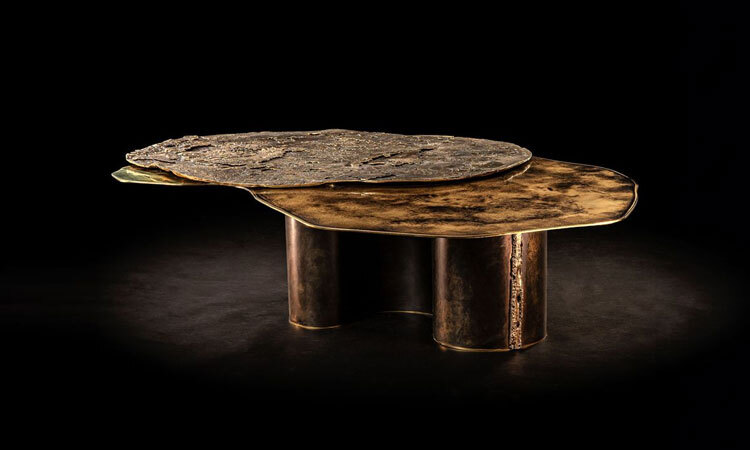
You invest in a stunning luxury coffee table in Kolkata; you want its design to shine through, not be masked by excess clutter. The surrounding items would complement the table’s quality, mentioning, for example, rich wood or sleek metal.
For example, in case your piece has an intricate base or a unique glass top, everything you place on it should make those features shine and not distract from them. Remember, the table itself is the first layer of decor; everything else is just supporting characters.
What to Keep?
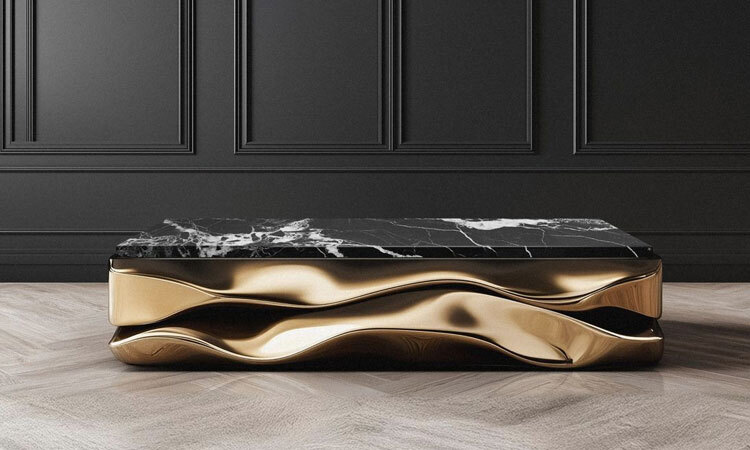
The professional designer approaches center table decor by thinking in three layers. This “rule of three” approach makes sure that everything is visually balanced, has varied height, and personal meaning.
- The Grounding Layer: The Importance of a Tray
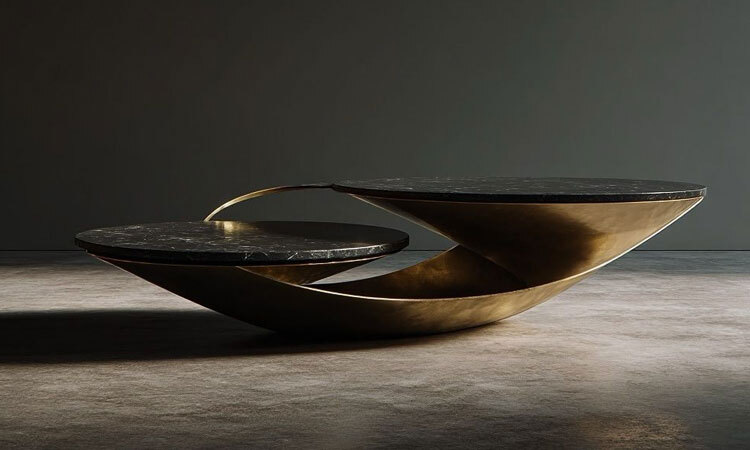
Every stylish center table requires one grounding element, and a decorative tray does the job best. It is a practical choice because it serves as a visual border, constraining smaller objects and rendering the whole assembly cohesive. It makes cleaning easy as the entire ensemble can be lifted to dust the tabletop underneath.
Select a tray material that provides contrast to the tabletop of your center table in Kolkata. For a wooden table top, a lacquered, metallic, or mirrored tray is a great option. If the top is glass or marble, then a textural woven or heavy brass tray can look great.
The tray generally should take up no more than one-third of the surface area of your table. If your table is rectangular, use a rectangular tray; for a square or round table, a circular or oval tray works best.
- The Height Layer: Adding Vertical Interest
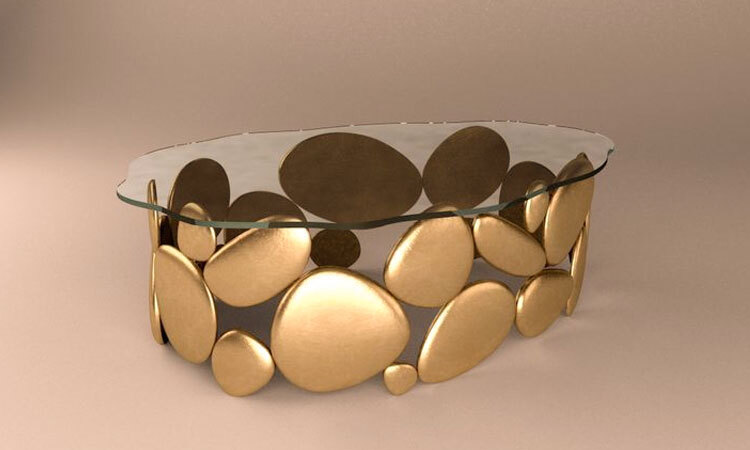
The interesting visuals are created through variance, which means introducing objects that move the eye upward. For instance, botanicals. Fresh flowers or simple greenery are the most universally appealing height elements. Use a vase that reflects your room’s style-a simple ceramic jar for a modern look, or a cut-glass crystal vase for a more traditional setting. Crucially, the arrangement should never be so tall that it obstructs the view or conversation between people seated on opposite sides of the sofa.
You can even consider a small, curated sculpture, a beautiful clock, or a uniquely shaped candleholder that can serve as the highest layer. These pieces should be proportional to your tray and table, never overwhelming the setup.
- The Personality Layer: The Curated Stack
This is the layer in which you infuse the space with your own taste and interests. Consider coffee table books. Choose three to five books based on beautiful covers and interesting content (art, travel, architecture), and then stack them neatly inside the grounding tray, or off to one side. The largest book should go on the bottom, graduating to the smallest on top.
You can even consider small personal objects, which are those small, one-of-a-kind pieces that have a story behind them. For instance, a slice of geode, a hand-crafted paperweight, or a meaningful keepsake from your last trip. Put one of these smaller items on top of the stack of books to complete your vignette.
What to Skip?
A real “rulebook” requires taboos. It’s just as important to know what not to place on your center table as to know what to place on it. Here’s what to skip to ensure a decluttered, visually appealing look:
- Remote controls (unorganized): Nothing screams “clutter” more than a jumble of black plastic remotes. If you must keep them on the table, designate a small, elegant box or bowl inside your grounding tray to hide them completely.
- Old mugs and drinking glasses: These things are temporary and should never be allowed to permanently settle. Get into the habit of removing all used crockery immediately after use.
- Piles of unread magazines and newspapers: The only publications allowed are the beautifully bound coffee table books selected for their aesthetic value. Daily reading materials should have a designated magazine basket beside the sofa or a nearby side table.
- Too many candles and diffusers: One fragrant candle or a single, small diffuser is enough. Several small, unrelated items clustered together create a cluttered appearance.
- Office supplies and bills: A center table for the living room in Kolkata is not a second desk. Keep all the paper clutter-mail, bills, loose notes, pens, and chargers-away from this focal point.
Conclusion
Mastering the center table is about finding a balance. By using a grounding tray, incorporating varied heights, and injecting your unique personality with books and small objects, you can create a dynamic, functioning centerpiece.
So, the next time you are confused about what to keep and what to skip, keep in mind the rule of three. Also, just skip everything that could be an eyesore for you and your guests.