
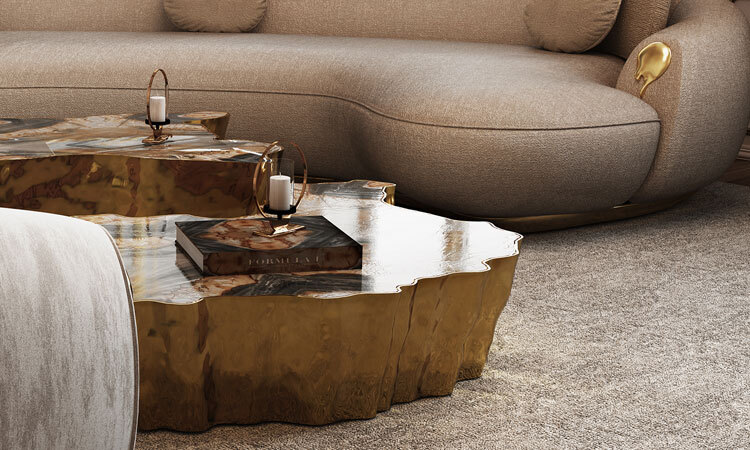
A center table is more than a handy place to set mugs and magazines. It’s the living room anchor and bridge that unites your sofa, rug, and décor.
The secret? You need to select one that complements your seating arrangement, rather than battles it.
The wrong size or look can easily disrupt the harmony while the right one adds comfort, proportion, and flow without stealing the show.
Let’s dissect how to achieve that balance.
Getting Proportion Right
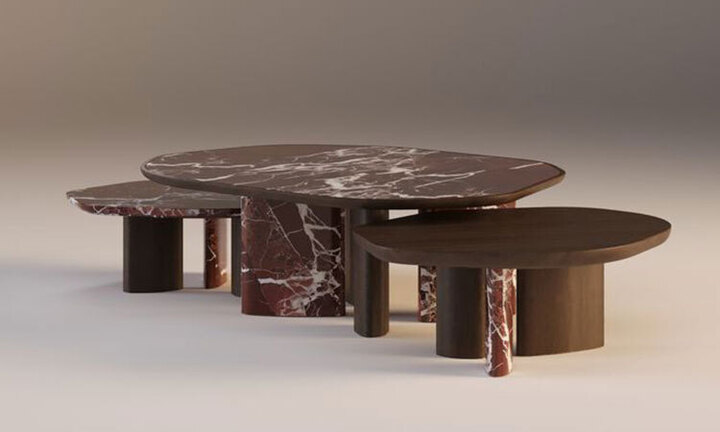
The most common error people make with a center table is size. Too big, and it overshadows the room; too tiny, and it gets lost beside your sofa. Keep in mind the following:
- The Two-Thirds Rule:
Your table should ideally be about two-thirds the length of your sofa. For instance, if your sofa is 90 inches long, your table should measure around 60 inches. This ratio keeps everything visually cohesive and easy to reach from every seat.
Whether you’re browsing for a simple piece or a statement center table in Kolkata, this rule keeps the room in harmony.
- Keep Space to Move:
Have 14–18 inches between your table edge and sofa. That space allows you to stretch your legs easily and grab a book or drink without straining awkwardly. Keep at least 30 inches of space between walls or other furniture and the table so there’s room to move around.
These clearances make the room feel intentional and comfortable, especially important if you’re investing in a luxury coffee table in Kolkata for a refined space where layout and accessibility matter.
Getting the Height Right
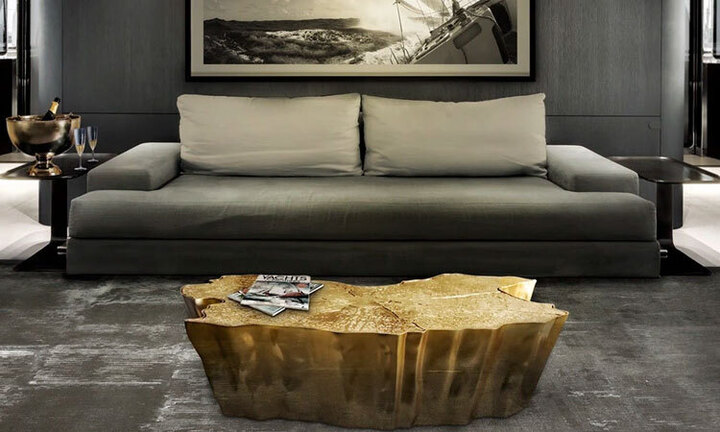
Height tends to be an afterthought, but it really does make a significant visual and practical difference. The table should be about the same level as, or just a little lower than, your sofa’s seat cushions. Most sofas are 17–18 inches high, so a 16–18-inch table is optimal.
For low, contemporary sofas, use a low-profile table to create clean lines. If your sofa is deeply cushioned, having a bit taller table makes reaching back for things easier. When shopping in stores, hold a quick measurement of your sofa seat height with you so you can reference it. It’s an easy detail that makes your furniture look perfectly proportioned.
Picking the Shape That Fits

Your center table shape should reflect your seating configuration and room traffic. It’s not about appearance alone; it influences how individuals navigate through space.
- Rectangular or Oval Tables:
Perfect for long or L-shaped sofas. They reflect the length of your seating and offer sufficient surface space for all. Ovals work superbly in homes with children or pets because they remove pointed corners.
- Square or Round Tables:
Ideal for small living rooms or U-shaped seating arrangements. Round tables soften the room and enhance passage in cramped rooms, and square ones centralise everything neatly.
Choose a shape that allows flow, not traffic.
Matching Style and Material

Your table must harmonize well with your décor, not be like an afterthought. The texture and material that you select determine the ambiance of the room.
- Classic or Traditional:
Choose dense woods such as teak or mahogany. A center table for living room in Kolkata with carved legs or understated detailing can add warmth and classic elegance to a leather or upholstered sofa.
- Modern or Minimalist:
Glass, metal, or streamlined marble tops are the way to go. Glass tables create the illusion of more space in smaller rooms by catching light and revealing more of the floor underneath.
- Rustic or Industrial:
Reclaimed wood or a wood-metal combination adds a laid-back, textural contrast, perfect over soft or neutral-colored sofas.
Also consider texture balance. Match boldly textured sofas with smooth finish tables, such as polished marble or glass. In return, contrast smooth leather sofas with the rough textures of wood or stone. Contrast keeps the appearance exciting without visual clutter. When shopping for gorgeous coffee tables in Kolkata, attempt to visualize the way the textures will interact with your current sofa upholstery.
Consider Your Lifestyle

Hands off, the perfect table is the one that suits the way you live.
- If you require storage, opt for a version with drawers or a bottom shelf for remotes, books, or board games.
- If you host frequently, select a sturdy surface such as sealed wood or stone that can handle drinks and plates with ease.
- If you have children or pets: Safety comes first. Rounding off corners and using durable materials such as wood or metal are safer than using delicate glass.
- If you work from your couch, lift-top models can serve as mini desks, providing comfort and functionality.
A well-designed piece won’t sit idle; it’ll work for you every day.
Keeping the Focus on the Sofa
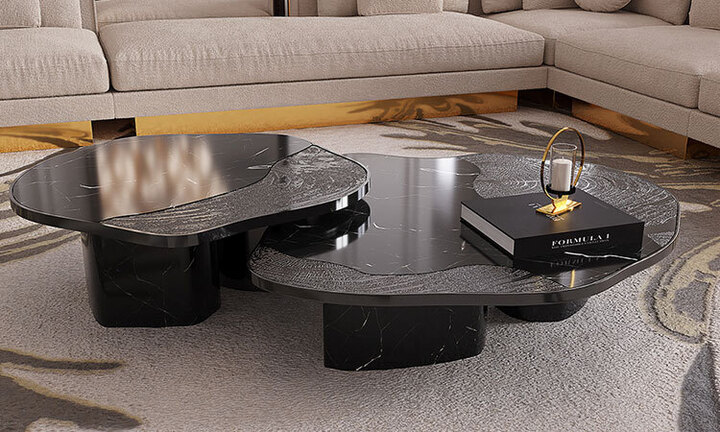
Regardless of how trendy or daring your table is, don’t forget the sofa still takes center stage. The role of the table is to serve as an enhancement, rather than a distraction. An eye-catching living room coffee table in Kolkata can still be subtle, where its scale, height, and material work harmoniously with your seating and overall décor.
A well-designed center table harmonizes form and function and can make your living room feel cohesive, open, and inviting. Each choice, from proportion to texture, contributes to that visual rhythm.
Conclusion

Selecting the proper center table isn’t a search for the most flashy thing; it’s a matter of balance. Maintain proportions in equilibrium, harmonize materials considerately, and choose a shape that naturally works with your seating. Done properly, your table will ground the space without dominating it; blissfully uniting every design aspect. That’s how you make your sofa, and your overall living area, really sparkle.