
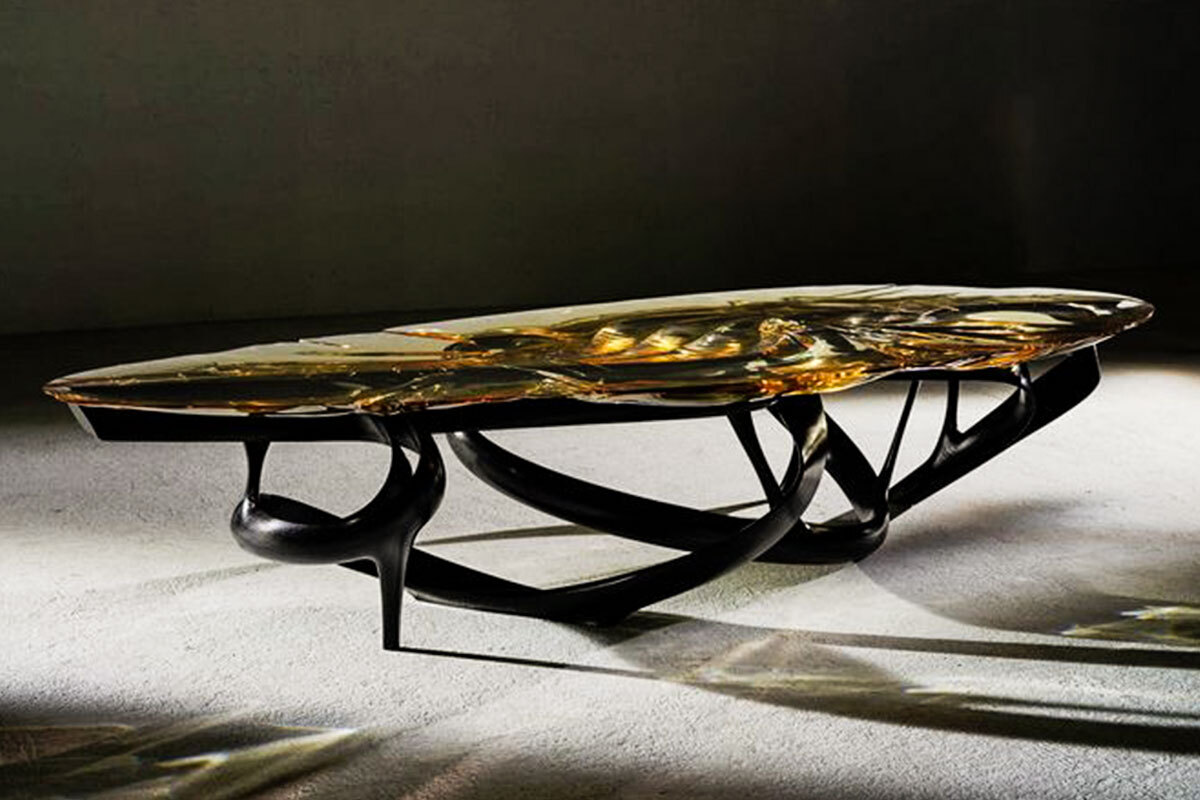
Your center table is one of the first things that people notice as they enter a living room. It is just sitting there, quietly establishing the mood for the whole room. Too empty, and the room looks like it is not finished yet; too cluttered, and it begins to look like a mess. It is all about finding the middle ground, and that is where good styling happens.
The transition from minimal to maximal does not mean that you are going to stick with one side all the time. It means that you understand how far you can go and when to stop. Whether you are going to buy new or just restyle what you have at home, it is all about making the table work for you.
Start by understanding what your table is doing in the room
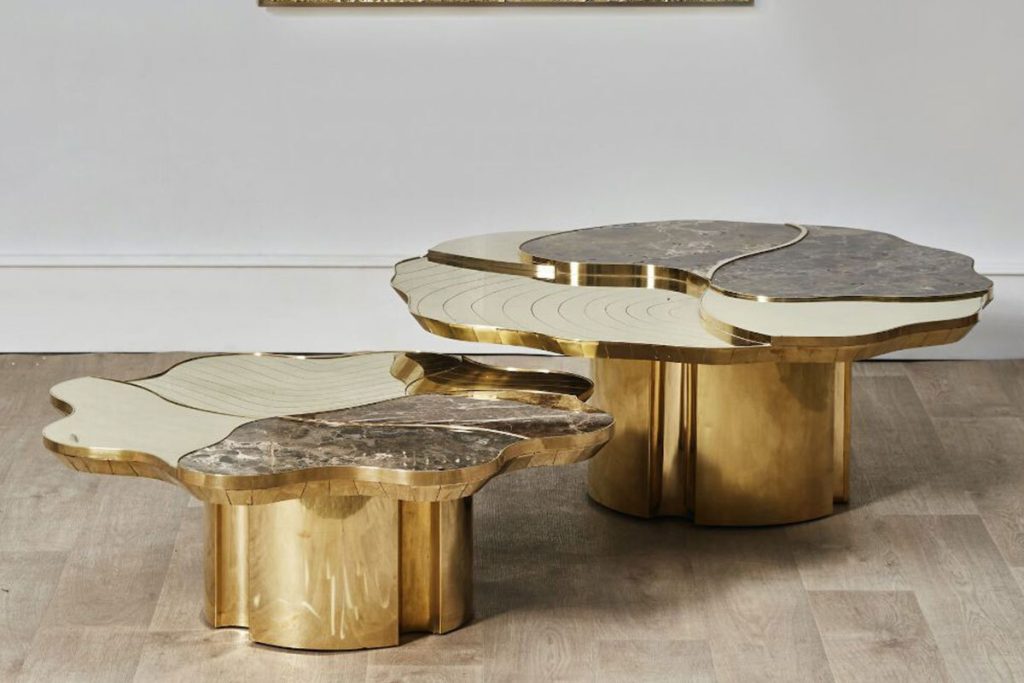
Before you start placing any item, take a moment to consider the table itself. Shape, height, material, and finish all count. A low wooden table already adds warmth and a sense of grounding to the seating space. A glass or marble top gives a lighter, more contemporary, and sometimes more formal look. In many Kolkata homes, the living room is a high-traffic area that serves as a family space, a guest space, and sometimes even a temporary workspace for those working from home. This means that the table cannot be strictly a museum piece.
It is here that the search for a functional center table design in Kolkata tends to favor the practical without sacrificing a single ounce of personality. Functional elements such as storage shelves, larger surfaces, or rounded corners are not design concessions; they are simply needed in a practical world. Your design should acknowledge this reality. Perhaps the table serves as a spot for tea in the morning or a place for snacks in the evening, and you must create a physical reality that allows for breathing space. A functional tray that can be easily picked up or a few books that can be shifted out of the way at a moment’s notice make all the difference. Design gurus tend to emphasize the importance of function over design, particularly in a lived-in space, as noted by Architectural Digest. When you understand your movement patterns around the design, the design becomes much more intuitive.
Minimal styling that does not feel empty
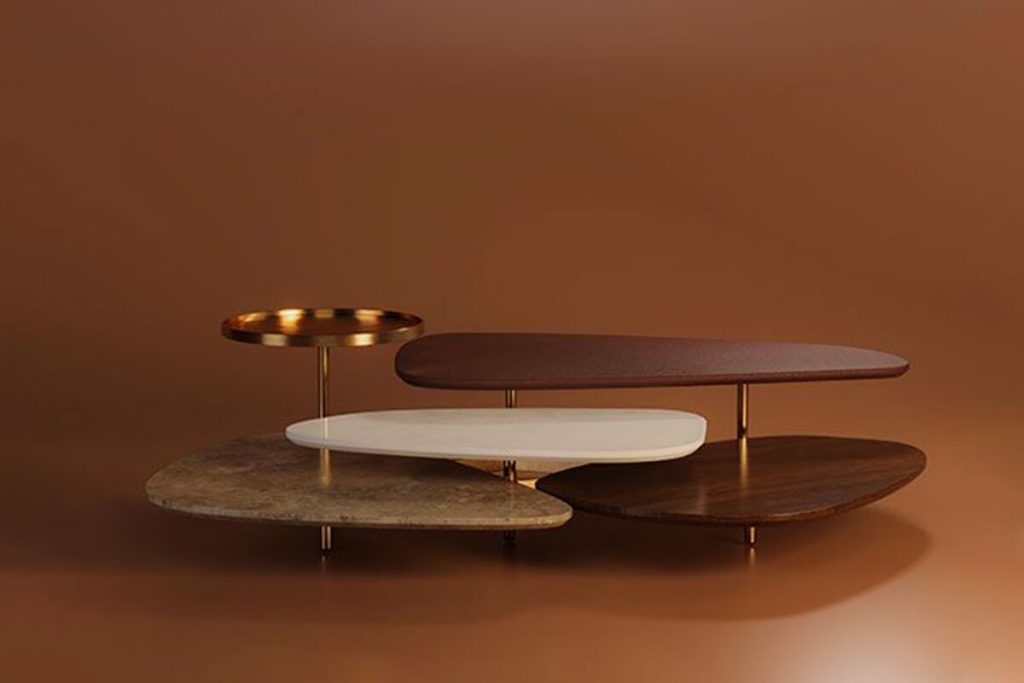
The error in the understanding of minimalism is that it is somehow equated with the word emptiness, when in fact it is a matter of intentionality. It is a question of selecting fewer items but making sure that those items have a strong visual impact. A single item can carry an entire table. This could be a thrown ceramic bowl, a piece of brass sculpture, or even a plant with an interesting shape. The error that people make is that they feel a need to fill every square inch of the table. You don’t.
In smaller apartments or for smaller seating arrangements, a minimalist design makes it easy to move around and keeps the room feeling spacious. This is particularly effective if the surface of the table itself is already busy just by itself. Consider a table with a strong wood grain or a dramatic stone pattern. In these instances, allowing the material to speak for itself is itself a design decision. When decorating a living room coffee table in Kolkata, where space is frequently shared, and furniture is grouped closer together, minimalist design decisions help the room feel airy. Keep the height of your decor low to ensure that lines of sight between individuals sitting on opposite ends of the table remain unobstructed. Resist the urge to stack too many things vertically, which can create a visual wall.
Moving towards maximal without losing control
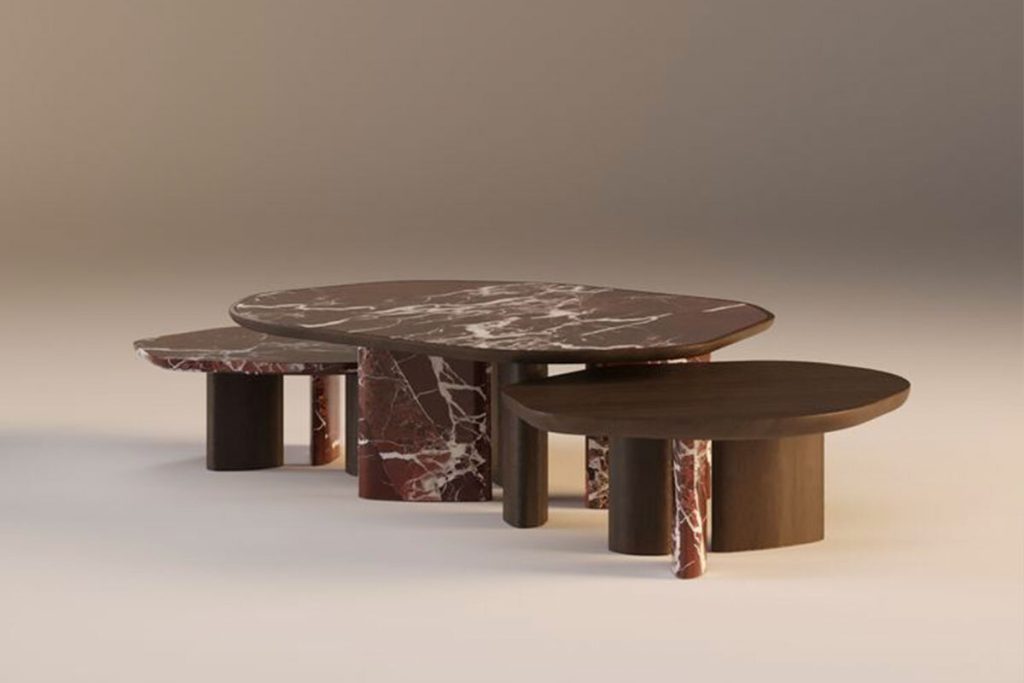
Maximal styling is not a reason to be cluttered; it is an art of layering. The key is to group things in such a way that they appear as one instead of five different things. Books, objects, and nature, such as flowers or stones, are best when they have something in common, like a thread of color or theme.
A simple rule that actually works in the real world is grouping items in odd numbers. Three items placed thoughtfully often look more natural and “found” than a symmetrical pair. You can mix textures, but keep the palette tight.
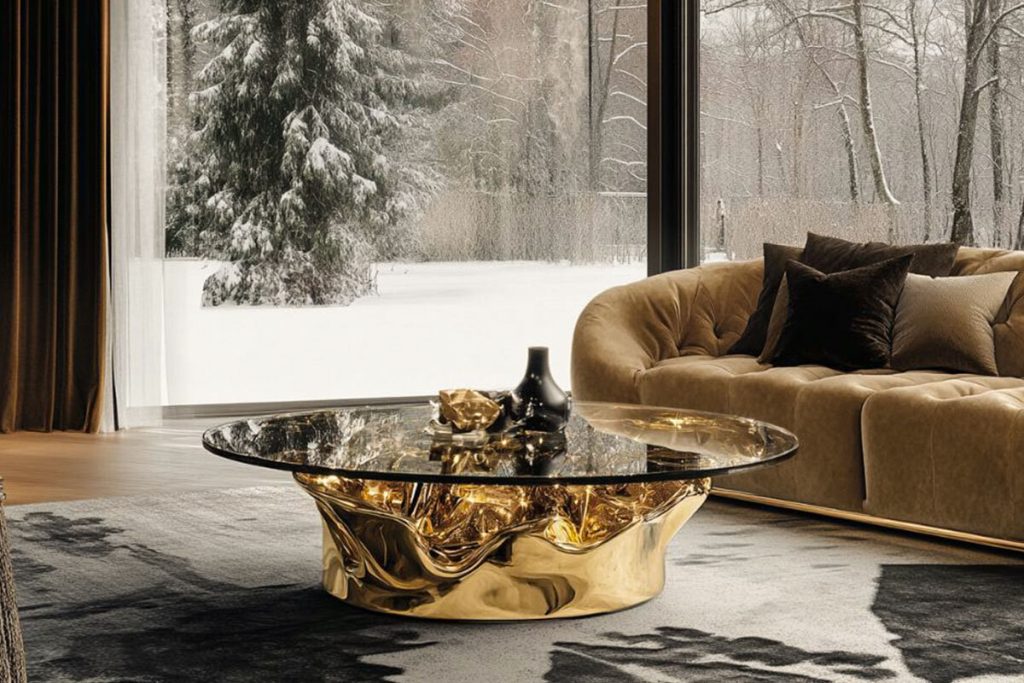
For example, a wooden tray, a smooth stone object, and a small green plant feel cohesive because they all share earthy, organic tones. In larger homes or open-plan living rooms, this maximal approach can effectively anchor the entire seating area. This style suits the heavier, statement-making pieces often seen in a luxury coffee table in Kolkata, where the table itself is a work of art meant to stand out.
Here, your styling should support the table’s grandeur, not compete with it for the spotlight.
Bringing it all together
Center table styling is more about cultivating awareness than adhering to a set of rules. Whether you are a maximalist or a minimalist, the best approach is to make it feel authentic to the space it occupies. Take a good, hard look at your table, the space around it, and how you actually use it. Begin small, add your layers gradually, and remember to edit frequently. When the styling becomes effortless, and nothing is in the way, you will have achieved the perfect balance.